Pest Control Services for Bed Bugs: Eliminate Infestations Quickly

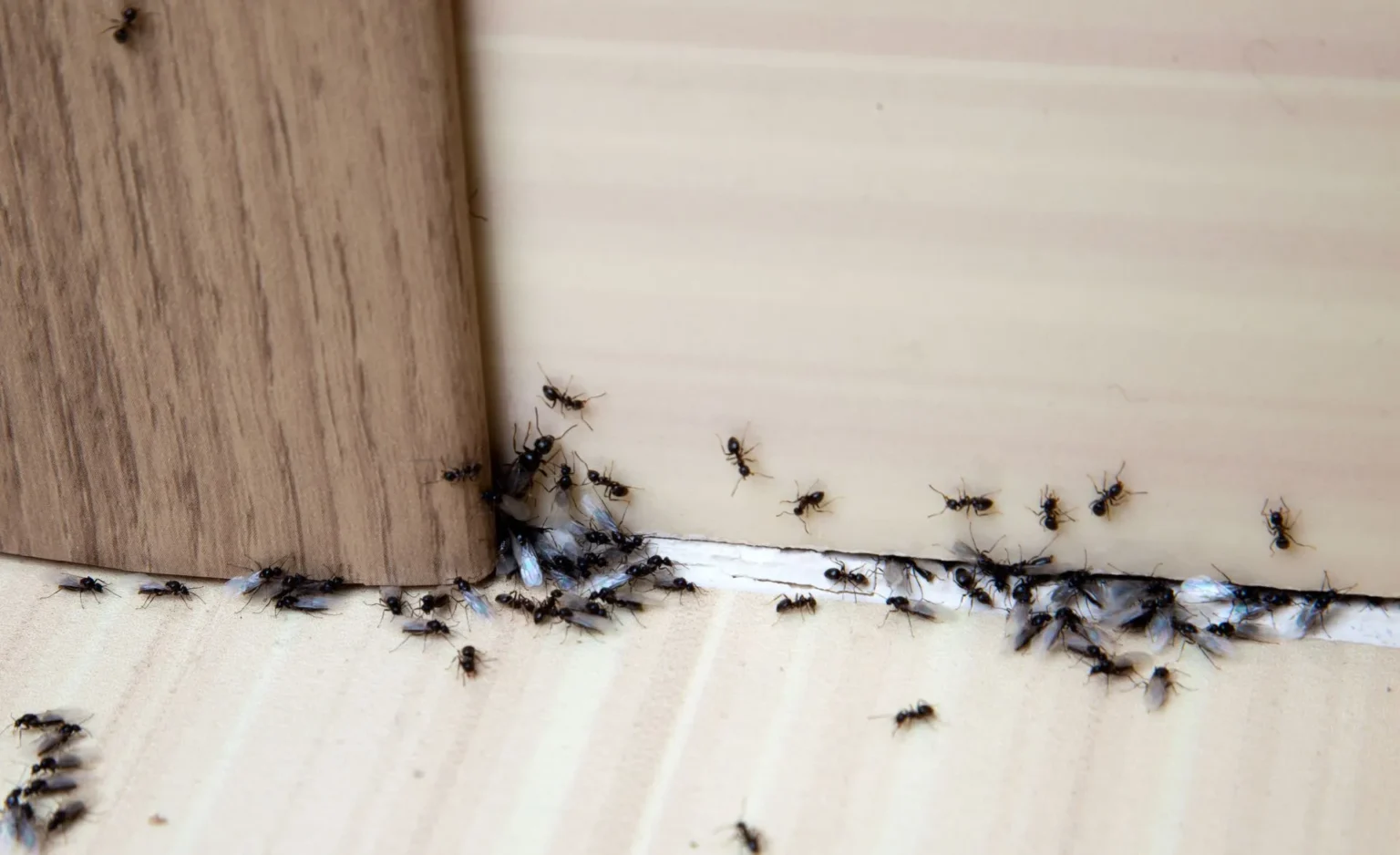
Bed bugs change the mood of a home faster than almost any other pest. A few bites turn into sleepless nights. Guests stop coming over. Laundry piles up. People begin isolating themselves in one room, then another, hoping the problem is limited to a single mattress or sofa. It rarely stays that simple.
When homeowners call for Pest Control Services for bed bugs, they are usually looking for one thing above all else: speed. Not speed in the sense of a rushed, careless treatment, but speed that comes from experience, accurate inspection, and a plan that fits the severity of the infestation. Bed bugs multiply quietly, spread through adjacent rooms, and hide in places most people never think to inspect. That is why professional treatment matters. The goal is not just to kill what is visible today, but to break the breeding cycle and prevent the infestation from rebuilding itself two weeks later.
The challenge with bed bugs is not that they are indestructible. It is that they are persistent, mobile, and easy to underestimate. A homeowner may wash bedding, vacuum the mattress, spray a store-bought product, and believe progress is being made. Then fresh bites appear. In many homes, the bug population has already moved beyond the bed itself, into baseboards, upholstered chairs, behind wall hangings, inside nightstands, and along the seams of stored fabrics. Quick elimination requires a more disciplined approach.
Why bed bugs are so difficult to remove
Bed bugs are expert hitchhikers and even better hiders. They do not build visible nests the way ants or wasps do. They stay close to where people rest, feed briefly, then retreat into narrow cracks that are hard to see and even harder to treat completely. In the early stage of an infestation, you may have only a handful of bugs, which sounds manageable. In practice, that small number can be the hardest to confirm because evidence is sparse and scattered.
A common misunderstanding is that bed bugs are tied to poor housekeeping. In reality, they can show up in a spotless home, a luxury hotel, a college dorm, a medical facility, or a short-term rental. Clutter gives them more hiding places, yes, but cleanliness alone does not keep them out. They arrive in luggage, secondhand furniture, backpacks, laundry baskets, or even on personal items from an infested location.
Their life cycle also works against quick do-it-yourself success. Eggs are small, tucked into crevices, and resistant to some treatment methods. Adults can survive for surprisingly long periods without feeding, depending on temperature and conditions. That means a treatment that seems successful on day one may fail later if eggs hatch or hidden bugs remain untouched.
The signs that call for immediate action
Some bed bug cases are obvious. Others stay ambiguous until the population grows. A professional inspection is often worth arranging at the first strong suspicion, especially if bites are recurring and concentrated around sleeping areas.
The signs that most often point to bed bugs include:
- Small rust-colored or dark spots on sheets, mattresses, or nearby furniture
- Live bugs or shed skins in mattress seams, bed frames, or upholstered furniture
- Bite patterns that appear after sleeping, often clustered or in lines
- Tiny pale eggs or eggshells in cracks and fabric folds
- A sweet, musty odor in heavier infestations
None of these signs should be evaluated in isolation. Bites alone are not reliable proof, because skin reactions vary and other insects can leave similar marks. On the other hand, fecal spotting on mattress piping combined with cast skins behind the headboard is far more persuasive. Experienced technicians look at patterns, not just isolated clues.
What professional Pest Control Services actually do
Good Pest Control Services do much more than apply a product and leave. For bed bugs, the work begins with inspection and case mapping. A trained technician needs to know where bed bugs are active, how far they have spread, where people sleep or rest, and whether adjoining rooms may be affected. In apartments, townhomes, and duplexes, that can make the difference between a successful treatment and a recurring problem that moves through shared walls.
The best technicians inspect the mattress and box spring, but they do not stop there. They open drawers, remove cushions, check bed frames, inspect baseboards, examine picture frames, and assess nearby clutter. They also ask practical questions. Have you traveled recently? Did you bring in used furniture? Are bites occurring in one room or several? Has anyone tried retail sprays or bug bombs? Those details matter because failed do-it-yourself efforts often push bed bugs deeper into hiding.
Professional treatment plans typically combine several methods rather than relying on one magic product. Depending on the company and the situation, that may include targeted residual insecticides, contact treatments, dusts for voids and cracks, steam applications, encasements, and monitoring devices. In some severe or high-sensitivity cases, whole-room or whole-structure heat treatment is considered. Each method has strengths and limitations, and experienced providers choose based on the layout, infestation level, occupant needs, and budget.
Heat, chemical treatment, and integrated approaches
Homeowners often ask which option is best: heat or chemicals. The honest answer is that it depends.
Heat treatment appeals to people because it can kill bed bugs at all life stages, including eggs, when done correctly. A properly executed heat job raises room or structure temperatures to lethal levels and holds them long enough for heat to penetrate hiding areas. It is fast, sometimes completed in a single day, and often attractive for severe infestations or situations where rapid turnaround matters, such as rental properties or hospitality settings.
But heat is not foolproof. The equipment must be placed correctly. Cold spots can occur behind dense belongings, inside insulated voids, or in spaces that airflow does not reach well. Some items must be removed or protected. In multi-unit housing, heat in one unit does not solve migration from an untreated adjacent space. When heat is chosen without careful planning, the result can be expensive disappointment.
Chemical and residual treatments often take longer but can provide valuable ongoing control. When applied precisely to cracks, joints, seams, and travel routes, they help catch bugs that emerge after treatment. Follow-up visits are usually necessary because bed bug control is rarely a one-and-done event. This does not mean the service failed. It means the provider is accounting for hatching eggs, hidden survivors, and the realities of bed bug biology.
Integrated treatment is often the most reliable path. That might mean vacuuming and steam for immediate reduction, residual treatment in harborages, mattress encasements, interception devices under bed legs, and a scheduled reinspection in ten to fourteen days. It is less flashy than promising instant eradication, but in real homes, with real furniture and real human behavior, integrated control tends to outperform shortcuts.
Why fast action matters more than aggressive action
People facing bed bugs are understandably tempted to do everything at once. They spray every surface, discard mattresses, move furniture from room to room, and sleep on the sofa to escape bites. Unfortunately, those reactions often help the infestation spread.
Speed matters because a small, localized infestation is easier to contain than one that has been redistributed throughout the home. Aggression without strategy is another story. Foggers, for example, are widely misused. They rarely reach the crevices where bed bugs hide and may scatter bugs into new areas. Throwing out the bed can also backfire if the frame was not the only harborage and the replacement furniture becomes infested as well.
One of the most useful things a technician does is slow the chaos down. Instead of treating the whole home as contaminated in a vague, panicked way, they define the actual zones of activity and tell the occupants what to do, what not to do, and why. That guidance alone often shortens the timeline.
What homeowners should do before treatment
Preparation is one of the biggest variables in bed bug control. A carefully designed treatment can lose effectiveness if the home is not prepared properly. At the same time, overpreparing creates its own problems. People often bag every belonging in sight, move items from room to room, or wash things that did not need to be disturbed.
A solid pre-treatment plan usually includes these priorities:
- Launder bedding, clothing, and washable fabrics from affected rooms using hot water when appropriate, then dry on high heat if the fabric allows
- Bag cleaned items in sealed containers or plastic bags until the infestation is resolved
- Reduce clutter near beds, sofas, and baseboards so technicians can access likely hiding areas
- Avoid moving untreated items into other rooms
- Follow the pest control company’s specific instructions exactly, especially regarding furniture placement and re-entry times
Those steps sound straightforward, but details matter. A pile of clean laundry placed back on an infested chair can be recontaminated the same day. Vacuuming can help, but only if the vacuum contents are sealed and discarded properly afterward. Mattress encasements are useful, but only if they are designed for bed bugs and left sealed long enough. This is where professional direction earns its value. Generic internet advice often misses the fine points.
The role of follow-up visits
Bed bug work is one of the clearest examples of why follow-up matters in Pest Control Services. If a company promises a single quick spray and total eradication, caution is warranted. Some light infestations can be resolved quickly, but many require two or three service visits spaced over several weeks. That schedule is not padding the bill. It reflects the pest’s life cycle and the fact that no technician can guarantee direct contact with every hidden bug and egg on the first pass.
A proper follow-up appointment usually includes renewed inspection of previously active sites, assessment of monitors or traps, retreatment of key harborages if needed, and evaluation of any new activity reports from occupants. Sometimes the second visit confirms that the infestation has collapsed. Sometimes it reveals a missed source, such as an upholstered bench, stored suitcase, or neighboring unit. Without follow-up, that information arrives too late.
I have seen cases where the first treatment reduced visible activity by 90 percent, enough for occupants to assume the problem was over. Two weeks later, hatchlings began appearing along the bed frame and behind a nearby outlet plate. That was not a surprise failure. It was exactly the stage at which the planned return visit mattered most.
Apartments, hotels, and shared-wall properties
Bed bugs in single-family homes are challenging enough. In multi-unit environments, the job becomes more complicated because bed bugs do not respect unit boundaries. They can travel through wall voids, along plumbing penetrations, and under doors. If one tenant is treated while the adjacent unit remains active, elimination may be temporary.
Landlords and property managers need a coordinated response. That includes prompt inspection of neighboring units, clear communication, and documentation of treatment timing. Delays are expensive. One untreated unit can re-seed multiple others. In hospitality settings, the stakes are even higher because room turnover is constant and guest movement creates repeated opportunities for spread.
This is one reason experienced bed bug providers are valuable. They understand that treatment is not just about killing insects. It is also about containment, logistics, occupant cooperation, and risk management. A successful plan in a detached house may be inadequate in an apartment block or assisted living facility.
How long elimination usually takes
Everyone wants a hard deadline, but bed bug timelines depend on several variables: how early the infestation was found, how many rooms are affected, how much clutter is present, whether adjoining units are involved, and how well preparation instructions are followed.
For a very limited infestation caught early, meaningful control may be achieved within a couple of weeks, with monitoring afterward. More established infestations often take a month or longer to fully clear, particularly when multiple visits are scheduled. Severe cases in cluttered environments or shared buildings can take longer still. That is frustrating to hear when you are losing sleep, but honest timelines are better than false promises.
The better measure of progress is not whether every bite stops immediately after day one. It is whether evidence steadily declines, inspections show shrinking activity zones, and follow-up confirms that the life cycle is being interrupted. Bed bugs can be eliminated, but usually through disciplined pressure, not a dramatic overnight fix.
Choosing the right provider
Not all Pest Control Services handle bed bugs with the same level of skill. This is a specialty area, and it pays to ask direct questions before hiring anyone. A reputable company should be comfortable discussing its inspection process, treatment methods, prep instructions, follow-up schedule, and warranty terms. If the answers are vague, move on.
Experience matters here in a very practical sense. A provider who regularly treats bed bugs knows where infestations are commonly missed. They know the difference between isolated activity on a bed and wider distribution through living areas. They understand when heat is justified, when residual treatment is more sensible, and when an adjacent-unit inspection is non-negotiable.
Price matters, of course, but the cheapest quote is often not the least expensive path. A bargain service that requires repeated retreatments because of weak inspection or minimal application can end up costing more than a competent provider who charges fairly and resolves the problem efficiently. Ask what is included. Some quotes cover only one visit. Others include inspection, treatment, encasement recommendations, monitoring, and scheduled follow-up. Those are not equivalent offers.
Preventing a return infestation
After elimination, prevention becomes the next concern. Bed bugs are not a sign that treatment failed if they are reintroduced months later from travel, visitors, or secondhand items. Prevention is about reducing those opportunities and recognizing early warning signs before a new infestation gains traction.
Travel habits matter. Inspect hotel mattress seams and headboards briefly, keep luggage off beds and upholstered furniture, and unpack carefully when returning home. Used furniture should be approached with caution, especially upholstered pieces and bed frames. In multi-unit housing, quick reporting of suspicious activity can protect both your unit and your neighbors’.
Monitoring devices placed under bed legs can also help, particularly in homes with previous infestations. They are not a substitute for treatment, but they can provide early confirmation before the problem grows. The earlier bed bugs are found, the simpler and less disruptive the response tends to be.
When you should call immediately
There is little benefit in waiting once multiple indicators line up. If you have recurring bites, dark spotting on bedding, and even one confirmed bug, it is time to bring in a professional. The same goes for anyone who lives in a shared building and suspects bed bugs, because delays can affect far more than one room.
People often call after weeks of trying home remedies because they hope to avoid the cost or embarrassment of professional help. That hesitation is understandable, but it usually makes the infestation larger and treatment more involved. Bed bugs are one of the few household pests where quick, expert intervention can save substantial time, money, and stress.
Effective bed bug control is not about panic, and it is not about overkill. It is about accurate identification, targeted treatment, careful follow-up, and cooperation between the provider and the occupant. When https://maps.app.goo.gl/QyjdmoM1No7E2kvM9 those pieces are in place, infestations can be eliminated quickly and thoroughly enough for normal life to return, which for most people means one simple luxury: being able to go to bed without dread.
Affordable Pest Solutions LLC
Phone number: +19732299547
FAQ About Pest Control Services
How much does pest control charge?
For a standard 1,500-square-foot home, professional pest control charges generally average $100 to $300 for an initial visit, with ongoing monthly services running $40 to $75 per visit and one-time emergency exterminations costing $100 to $600, depending heavily on the specific pest and the severity of the infestation.
What is the hardest pest to get rid of?
Bed bugs are widely considered the hardest household pest to get rid of, closely followed by German cockroaches and subterranean termites.
What is included in a pest control service?
A standard pest control service includes a property inspection, targeted treatments, and prevention advice. It typically covers common pests like ants, spiders, and cockroaches, using sprays, baits, or traps.